Podcast
Spinal surgery in scoliosis
S02E01 3. 8. 2026 28 min
The thought of spinal surgery in a child raises the pulse within seconds. All the more when someone says “the scoliosis is progressing” and you do not know whether rehabilitation and a brace still make sense.
The recording is in Czech. The summary and chapters are translated; the transcript below is in Czech.
What you will hear
When a child is told that “the scoliosis is progressing”, the first question is almost always the same: does exercising and wearing a brace still make sense, or is surgery coming? Dr. Kateřina Smíšková explains what the decision rests on — and why it is not one number, but several things at once.
The main indicator is the Cobb angle. The line around fifty degrees is where surgery is discussed seriously; but even a curve between forty and forty-five degrees can mean that conservative treatment has run its course — it depends on how fast the curve is growing and how much growth the child has left. And predicting growth is harder today than it used to be.
Three types of surgery and how they differ
The episode goes through three procedures by age and growth stage. In small children growing rods — rods that grow with the child. In adolescents classic instrumentation with fusion using rods and screws, the most stable solution, but at the cost of mobility in the operated section. And then AVBT tethering, which Dr. Smíšková calls the gold standard where it is possible: less impact on the tissue and, above all, preserved spinal mobility.
Why progression is harder to predict
Hypermobility comes into the decision, as does the fact that some curves keep worsening at sixteen or seventeen — an age at which older assumptions said they should be settled. That changes how long conservative work with a child continues.
Before surgery and after it
The practical part: how a rigid curve is prepared with manual techniques before the procedure, when exercise starts again afterwards, and what to watch out for with the scar. And one difference worth remembering — after stabilization with fusion the rules for rotation and forward bending are stricter than after tethering, because the operated section no longer moves.
Useful if you are dealing with scoliosis in a child and want to know where the limits of conservative treatment lie, what each operation involves and what the rehabilitation after it looks like.
Episode transcript The whole conversation in text, in Czech, as it was recorded.
Tereza Málková 0:19
Tak krásný dobrý den. My vás tady dneska vítáme po dlouhé době s doktorkou Katkou Smíškovou. Ahoj Katko!
Kateřina Smíšková 0:26
Ahoj.
Tereza Málková 0:26
Já tě zase ráda vidím. A dokonce teď budou mít možnost tě vidět i naši posluchači. Protože nově máme tady to krásný studio, takže zdravím vás. Teď se budete moct všichni i podívat, jak Katka u toho povídání krásně vypadá. Tak co je novýho u tebe?
Kateřina Smíšková 0:47
Kromě brambor a jahod. Ještě vyrostly letos hrušky.
Tereza Málková 0:56
Abyste rozuměli, Katka má totiž takovou krásnou ordinaci a hnedka za ní má zahradu. A když jí skončí jedna šichta, tak jde na druhou šichtu. A co je novýho v té první šichtě?
Kateřina Smíšková 1:08
Tak v první šichtě novýho letos vzniklo hodně, protože zhruba od ledna jsem začala přicházet na nějaký jiný vazby, co se týče nastavení těžiště u skoliotiků. A postupně se vyvíjí od té doby trošku odlišná strategie, než byla doposud. Takže tu strategii se snažím zapracovat teďka u stávajících i nových pacientů na začátku a u těch bývalých doplnit to know- A musím říct, že se to daří výborně a že to je mnohem jednodušší, než jsem si to myslela dřív. Takže nový jsou v podstatě jako to navádění toho těla do korekce a ty děti to přijímají mnohem snáz a sami si, sami že to je mnohem jednodušší, než to bylo, což je zase ten cíl té léčby, aby to nebylo složitý. Uznávám, že opravdu snížit skoliózu o pár stupňů složitý je a je to i dost práce. Ale letos se mi to udělalo nějak jednodušší. Prostě úplně náhodou jsem si přišla na něco novýho a hezky to funguje. Takže novýho něco máme. Blbě se to teda vysvětluje do podcastu.
Tereza Málková 2:16
Takže už se těšíme, až to budeme zase nahrávat, Spiralisti, další hodiny a hodiny práce. A co třeba, já vím, že ty vlastně pořád děláš kurzy. Máte nějaký nový kurz teďka?
Kateřina Smíšková 2:31
Tak z těch základních kurzů pro výuku specialistů, ke kterým vlastně pacient může docházet, tak tam není novýho nic. Tam máme stále tytéž témata, protože si myslím, že ty jsou dostačující. Tam stále probíhá z mojí strany školení v oblasti základního kurzu číslo jedna, což je úvod do metody, potom školím samozřejmě skoliózu, protože to je moje téma. A potom školím kurz Sport, kolega, ten zase školí ty ostatní témata u nás, což je horní a dolní končetina, výhřez disku. Takže ty základní pořád platí, jsou stejný. Ale přibyl nám jeden, to je novinka. …že se do toho pouští. Je to kurz pro dospělé pacienty se skoliózou a je to v podstatě jako stejná rovina těch vědomostí, co dáváme dětem. Že my máme dětské pacienty se skoliózou, pro ně máme bloky, tříhodinové kurzy. Máme začátečníky, pokročilé a nemáme v podstatě ale tady tu pro dospělé pacienty, což znamenalo, že doteď chodili na kurzy pro pacienty obecně a tam se sice dozvěděli sem tam nějakou korekci, ale nebyl na to takový prostor, že se učily obecné principy rovného držení těla. A kolegyně [jméno] Novotná se rozhodla, že tohle téma zkusí jako zavést u nás a dělá od září nový kurz pro dospělé pacienty se skoliózou, což má jako můj obdiv, protože to je těžké opravit ty pacienty, a ona skvělá cvičitelka, skvělá trenérka, perfektní terapeutka. Takže si na to troufá a těší se na pacienty dospělé se skoliózou a jsem ráda, že to u nás vzniklo, protože já to zase všechno nějak nemám kapacitu, ale věděla jsem, že to je taková mezera a že si to zaslouží ty pacienti někam jít, aby si šli pro ty
Tereza Málková 4:27
Aby to bylo více zacílené.
Kateřina Smíšková 4:28
Aby to bylo cílený na křivku. Že to nebudeme obecně vyrovnané držení těla, ale bude to cílený na ty typy odchylek, který vlastně konkrétní pacient má.
Tereza Málková 4:37
Super. Takže od září v brněnském centru spirální stabilizace u A cvičit bude [jméno kolegyně]. My se dneska budeme bavit o takovém zajímavém tématu, nebo pro mě je to zajímavý téma. Myslím, že pro tebe asi taky, a to je operace páteře, protože k tomu je spoustu věcí, které by mohlo třeba naše posluchače zajímat. Ty vlastně se specializuješ na děti se skoliózou a mnohdy musíš taky řešit nějakou operaci, když už je ta křivka prostě větší. Kdy je to podle tebe, teď se ptám ne podle nějakých škatulek, ale podle tebe, kdy je ta operace nevyhnutelná?
Kateřina Smíšková 5:22
Operace je nevyhnutelná, pokud je křivka přes 50 stupňů Cobba a dál se zhoršuje. To znamená, že celá ta postava není schopná staticky unést tu páteř v rovině a ta páteř se dál boří. Většinou to je nad těch 50 stupňů. Může se to, ale samozřejmě to neznamená, že čekám do 50 pokud vidím už 40stupňové křivky, že je u nás v péči, že u toho pacienta zavedená ta konzervativní léčba a nefunguje a to dítě progreduje, za půl roku má o 5 stupňů víc, tak to už je pro mě také indikace k operačnímu řešení, protože vidím, že se prostě ty nástroje rehabilitační vyčerpaly. Svalovej korzet se třeba nedokáže vytvořit, protože dítě má smůlu, má hypotonii svalovou, že prostě nedobře se zpevňuje to tělo, není to prostě možné to zpevnit vůbec, ne rychle, ani v podstatě …tempem by to nefungovalo, protože proti nám jde nějaký nějaký růst organismu. A už klidně těch 45 stupňů potom samozřejmě pro mě je indikace k operačnímu řešení, protože vidím, že nastává progrese v období půl roku dalších 5 stupňů, a doporučuji těm pacientům ten výkon.
Tereza Málková 6:37
Jaký druhy těch operací vlastně máme?
Kateřina Smíšková 6:40
Máme takový, podle věku v podstatě se to liší na nějaké tři základní výkony. Pokud je to dítě malinký, rostoucí do deseti let, tak třeba od 5 do 6 let se používá tzv. systém rostoucích tyčí, neboli growing rods, a těch je víc druhů. A v podstatě jedná se o několik operací po sobě, protože to dítě je rostoucí, tak v podstatě ty výkony se nedělají na začátek definitivní jeden, ale musí si jich udělat víc, aby umožnily růst páteře, hrudního koše, toho těla. Že nevýhodou jsou opakovaný anestezie, které trvají dlouho. A dělají se prostě u těch malinkých dětí, když mají velký křivky. Potom druhý způsob operace je stabilizace s fúzí, to znamená, že se použijou dvě tyče a dvě řady šroubů v páteři. Operace probíhá opět zezadu, tak jako u těch rostoucích tyčí, to znamená na svalech a v podstatě vazivu, a kůži vzniká jizva, která je uprostřed těla vzadu na zádech. No a ta se používá u těch adolescentních pacientů, nebo už skoro dorostlých nebo ještě trochu rostoucích, ale s téměř ukončeným růstem. A nejčastěji se provádí mezi 13., 15., 16. rokem života. Myslím, že ta hranice se postupně posouvá výš, protože i z mého pohledu se vlastně pacienti progredují déle, než to dřív bylo v minulosti. To znamená, dřív třeba ukončili růst v 15 letech, v 15 prostě bylo tělo vzrostlé, bylo osvalené a ta křivka už neměla důvod v podstatě progredovat, neboli se zhoršovat. Zatímco dneska jsou zvláštní děti, které prostě už dosáhly svého konečního růstu. Ale ještě v 16 a v 17 ta páteř progreduje dál. Podle mého názoru za tím je ta hypermobilita kloubní a nějakým způsobem hormonální nastavení toho organismu, což se projevuje i tou hypermobilitou kloubní, i tou nezralostí těch tkání v tom růstu. To znamená, jako končí ten růst později. A nedá se úplně predikovat z Risserova znamení, což je znamení na kostech lopat pánevních, a což dřív bylo jako jasný …vodítko, prostě ukončilo dítě růst, pak už se nekazí nic. Tak dneska se ukončí růst na lopatách pánevních a dítě se kazí další dva roky klidně dál. Takže to jsou, to jsou ty druhé způsoby operací, které se teda jmenují instrumentace s fúzí. Znamená to, že páteř se sešroubuje, v podstatě sroste pomocí toho instrumentária do budoucna pevně, už se potom nepohybuje. Takže prostě v tom místě té operace už je to nehybný. Zůstane páteř nehybná, sroste, a v podstatě instrumentárium už tam je potom zbytečné, tak to tam působí po dobu půl až tři čtvrtě roku k tomu, aby ta páteř mohla srůst. Tím se myslí ta fúze, vlastně, že se to sroste a nehýbe. No, a to znamená, že po takovém výkonu je potřeba tu páteř ošetřovat nad a pod, aby v podstatě mohla dál fungovat. No a pak je třetí způsob operačního řešení, a to je AVBT, neboli zkráceně tethering, což je způsob operace pomocí lanka a šroubů zavedených z boku. A to je v podstatě nejelegantnější způsob operačního výkonu. Momentálně.
Tereza Málková 10:14
A teďka jako novinka u nás.
Kateřina Smíšková 10:16
Novinka už to úplně není, ale začalo se to konečně dělat jako častěji, rutinně. A je to hezky už indikovaný vlastně v nějakým správným věku, už se znají ty zákonitosti toho, co se stane potom. A v bohunické nemocnici s tím mají dobrou zkušenost a je to můj nejoblíbenější způsob výkonu operačního vůbec. Takže kdykoliv vidím pacienta, který by na to byl vhodný, odesílám na operační výkon tohoto typu, neboť nedevastuje nějaké tkáně, v podstatě přístup je velmi miniaturní v podobě nějakého, jako kdyby, představte si endoskopického vstupu, to znamená malý řez a trubka dovnitř, zavedení šroubů a lanka. A dělá se to z boku, to znamená, že vlastně nevzniká velká jizva v oblasti těch zad. No, a tou druhou zásadní výhodou je, že se provlékne lanko bokem těch hlaviček těch šroubů. A to lanko zajišťuje ohnutí, zhruba o 50 % zkoriguje tu křivku v rámci toho operačního výkonu, v průběhu. To znamená, zajišťuje to, že se ta křivka nemůže zbořit zpátky a v období následujícího růstu toho těla, to znamená další třeba rok až dva, rok a půl, záleží, jak ještě dlouho to dítě roste, se dorovná těch zbývajících 50 % z té křivky. To znamená, když má dítě 40stupňovou křivku, jde na operaci, po operaci má 20 stupňů a za další rok tam má tu nulu třeba. A ta hlavní výhoda je, že ta páteř zůstává pohyblivá.
Tereza Málková 11:52
Ale to je přece obrovská změna oproti tomu, co se dělalo předtím. A máš takovýhle pacienty už teďka s tím teteringem? Samozřejmě, asi k tobě chodí pacienti před operací, protože je důležité, když někdo už je indikován k té operaci, tak pracovat s tím tělem ještě předtím, nějak to tělo nachystat na tu operaci. Jak vypadá taková příprava?
Kateřina Smíšková 12:23
Tak na předoperační přípravě je nejdůležitější vlastně zvětšit flexibilitu rigidních křivek. Pokud ta křivka, se kterou pacient přichází, je dostatečně tak ta příprava není až tak nutná. Ale pokud přijde pacient, který má křivku již tuhou neboli neohebnou, …což většinou bývá hrudní křivka, nebývá to ta bederní, tak ta hrudní zatuhává v oblasti vazů, svalů i těch kloubů prostě a nehýbe se, a stává se křivkou prostě nepohyblivou. A ta pohyblivost, když se předoperačně zvýší manuálníma technikama, tak ta flexibilita té páteře při výkonu je potom jednodušší, se méně nadře, líp zkoriguje vlastně tu část a ten výkon dopadá mnohem lépe na stupních. I tuhle zkušenost máme, proto připravujeme ty pacienty celkem běžně, pokud je to potřeba, pokud je tam ta rigidita. Někdy je to tak, že naučíme v pár návštěvách rodiče dělat ty manuální techniky a dělají je doma, protože nejlepší způsob, jak tu křivku, která je tuhá, rozmasírovat, je každý den třeba měsíc před tím operačním výkonem, takže není to to, že rok se masíruje, to je zbytečný. Ale v rámci několika týdnů. Já nikdy nevím, za jak dlouho ta křivka jako se uvolní, se povolí. Protože samozřejmě už mám za sebou i přípravu pacientů, kteří měli obří křivky, třeba 80stupňové, a tam ta rigidita byla obrovská a prostě strašně dlouho trvalo, než se něco uvolnilo. A prostě po třech týdnech masáží, manuálních technik třeba dvakrát denně 20 minut, teprve nastalo to uvolnění a dalo se to až jako do nějakých 20 stupňů třeba. A do té doby se to vůbec nechtělo povolit ani o chlup. Takže nedokážu nikdy predikovat, za jak dlouho se stane to rozvolnění, ale je potřeba se tomu věnovat prostě denně. Takže klidně i tak dlouho, ale to už říkám stupně, který jsou fakt extrémní. Pokud se připravuje pacient se 45 stupněma na operaci, tak ho masíruje buďto terapeut, ale za mě stačí, když se ty techniky naučí jeden z rodičů, který je šikovnější, a masíruje to dítě doma sám. Jsou to konkrétní techniky s derotací, s uvolněním konkrétních svalových skupin. No a je docela vhodný, když se před tou operací naučí to dítě pár základních cviků. A po operaci je ovládá rychle znova, že se nemusí učit po operaci v nějakým bolavém stavu, ale předoperačně si udělá nástřel těch cviků a pak si je pooperačně zopakuje.
Tereza Málková 14:48
No, a kdy po té operaci začínáte cvičit?
Kateřina Smíšková 14:51
Tak po operaci běžně začínáme cvičit až po čtvrtým týdnu po to znamená po vyndání stehů, po zhojení rány. Podmínkou je to pěkný zhojení té rány, aby se nezanesl infekt, aby se ta rána nemokvala, aby se neroztahovala jizva. A na jizvu po operaci jsme opatrní, protože často pacient s skoliotickou křivkou, která je velká, má právě hypermobilitu kloubní, a tudíž má taky trošku nekvalitní to pojivo v kůži, v Takže hrozí, že ta jizva se roztáhne, bude škaredá, proto opatrně na ošetřování jizev, neroztahovat, spíš mačkat k sobě a prostě tady s tím ošetřováním těch jizev se fakt poradit s nějakým který se o jizvy stará.
Tereza Málková 15:34
Je třeba rozdíl mezi, když je operace pomocí toho teteringu a pomocí těch klasických tyčí, tak je rozdíl potom v nějakých cvicích nebo v tom cvičení, nebo na co si třeba dávat pozor?
Kateřina Smíšková 15:48
Tak rozdíl je, protože když je ten první typ té operace, to znamená, je to ta stabilizace dvěma tyčema a šroubama, a páteř je zafixovaná napevno a už se s ní vlastně nedá pohnout. Tak se všechno zásadně cvičí v osovém postavení. Hlava se neohýbá, bedra se neohýbají, pánví se nerotuje a všechno. To znamená žádný kroužky. Žádný kroužky, žádný klubíčka. Klubíčka neuděláš s tyčemi, nedoporučují se opravdu ani zkoušet. Zejména v tom raném období je fakt potřeba tu osu dodržet, ty šrouby nejsou zahojený, nejsou vhojený do kostí a můžou se uvolňovat, můžou se prostě vyviklat, pak to dobře nedrží, nesrůstá, může to i bolet. Takže na to instrumentárium pozor. My cvičíme sice s pacientama už čtyři týdny po operaci, ale začínáme v sedě. Šermíře, třeba cvik v kleče na jednom koleni, děláme ze židličky s gumou v ruce, až později se cvičí s tím lanem a vlastně ten cvik bez posouvání, jenom ve statické pozici, na neutrální polohu v kyčli a v pánvi. Nejčastěji používáme cviky dárek, šipka, který jsou velmi a v podstatě jde nám o osovost hlavy, ramen, pánve bez rotačních ani předklonových pohybů. No a tethering je zlatý. Tam kromě úklonu od toho lanka můžete dělat v podstatě cokoliv. Ale není to potřeba, zase se zaměřte spíš na to osové postavení, ale můžete dělat i obloučky. Tam výhodou je flexibilita, můžete modelovat dál polohu můžete rotovat pánví, můžete rotovat hrudníkem, všechno funguje dobře.
Tereza Málková 17:30
Nebojí se ty pacienti jako po té operaci cvičit?
Kateřina Smíšková 17:33
Nebojí. A říkají, že to je mnohem snazší, že to všechno jde líp udělat, že to nemá ty velký tahy, to napětí nebo to ochabnutí a hrozně to pomůže ty cviky provádět. Takže ten tethering za mě zlatý, ale i u té stabilizace říkají to též. Po stabilizační operaci jsou ty děti mnohem náchylnější na oblasti trapézů horních. Většinou si po anestezii stěžují na to, že tam, kde byly zavedený nějaké katétry nebo kanyly, takže v těch místech vstupu, třeba typicky pod klíčkem, mají pocit, že to mají tuhý, brání se v tom místě, to znamená, že tam většinou ztuhne právě prsní sval. A horní trapézy ztuhly možná i v rámci toho, že to tělo bylo vytažené do trakce. Často taky oblast vzpřimovačů, který prostě ztuhly vlivem trupu po té distrakci, po té, co se natáhlo vlastně s tím operačním výkonem ty záda, srovnalo i do kyfózy trošku, tak tam dojde k napětí těch tkání a je dobrý uvolnit i masáží, nikoli však trakcí. To znamená, pokud máme pacienta po operaci a masírujem ho, tak ho vlastně nemasírujeme trakčním způsobem, neroztahujeme, ale pouze masírujem ten sval.
Tereza Málková 18:41
Takže nějaké manuální techniky určitě děláme, ale vlastně neroztahujeme nic. Jaký jsou nejčastější chyby třeba po operaci? Na co by si měl ten člověk dát pozor?
Kateřina Smíšková 18:55
…myslím, že myslíš tak při cvičení, nebo obecně?
Tereza Málková 18:59
No, při cvičení, ale co tě napadne k tomu.
Kateřina Smíšková 19:03
Ale obecně mě napadne, že pacienti po té operaci můžou mít motání se hlavy. Je to takový celkem častý jev, že mají po rychlém vstávání pocit točení hlavy, nízký tlak a v podstatě takový pocit na omdlení. Takže určitě dát si pozor v tom, v těch prvních týdnech, stává se to tak zhruba do tří až pěti týdnů pooperačně, někdo to nemá vůbec a někdo to má pak až do toho pátého týdne, tak se jim stává, že jako rychle vstanou a mají ortostatickou hypotenzi, prostě se jim chce rychle zase sednout, lehnout. Bacha na to, protože jsou po operaci, měli by si rychle sednout, lehnout, dát nohy nahoru, aby se jim hlava dokrvila a měli zpátky svůj tlak v mozku. Takže to je jedna z věcí, proto s těma pacientama taky začínáme, pokud už po čtyřech týdnech začínáme cvičit, tak v sedě, aby nespadli. Proto se, jak jsem zmiňovala dřív, drží židle, aby nespadli, nezamotala hlava. Takže jakýkoliv větší natažení tkání u nich tu hypotenzi způsobuje neboli ten nízký tlak. Další, na co pozor, je právě to ohýbání hlavy a rotace pánve. Takže pokud je stabilizovaný úsek v bederní páteři, to po operaci je bederní křivka, tak rozhodně nerotovat pánví, neučit se rotovat pánví a naopak odnaučit se rotovat pánví při chůzi. Tak to mě tak hlavně napadá.
Tereza Málková 20:30
Máte potom ještě třeba, nebo asi nejsou na vašich stránkách, ale jestli tě třeba napadlo dělat kurzy pro pacienty, kteří jsou po operaci.
Kateřina Smíšková 20:40
Ne.
Tereza Málková 20:40
Proč?
Kateřina Smíšková 20:41
Protože si myslím, že to je otázka individuální péče a že to dítě prostě přijde po té operaci a má svoje stesky. Když má stesky na ty trapézy, tak tím mým zájmem je mu je a uvolnit a prostě mu dát tu úlevu místo ibuprofenu, místo té tablety, aby se to dítě nezvyklo na analgetika. Protože návyk na analgetika může vzniknout rychle a je to u dětí silně nevhodné, protože většina analgetik nám škodí na ledviny, játra, anebo dělá nějaké závislosti. Takže to prioritní je v podstatě tomu dítěti dát úlevu, radu, a podat pomocnou ruku v tom napětí, v té tenzi toho těla po té operaci, a vysvětlit si ty nějaký základní pravidla do nového života. To znamená, že se třeba nesmí něčím moc hejbat, něčím moc rotovat, a že není třeba dobré se dlouho dívat do mobilu dolů s uvolněným krčním svalstvem, zavěšeným nad stabilizací na hrudníku třeba. I tohle si vysvětlujeme. Takže tam si myslím, že to chce tu péči individuální, nikoliv tu skupinovou, proto jsem pro, aby se ošetřovali individuálně, ne na kurzech.
Tereza Málková 21:52
A kolik máš takhle třeba dětí, které posíláš na operaci?
Kateřina Smíšková 21:57
No, jednou za 14 dní tak jednoho.
Tereza Málková 22:00
To je docela hodně.
Kateřina Smíšková 22:02
Je to proto, že k nám hodně pacientů přichází pro radu na konkrétně ke mně, protože vyšetřuju ty pacienty já, a chtějí radu, jestli je vhodné tu páteř operovat nebo neoperovat. V podstatě pokud přichází s 50 stupněma a já vidím, že i ta koordinace pohybu je třeba špatná, že při snaze, při manuálních technikách je to hrozně těžký korigovat, tak vím, že nestihnu udělat tu nápravu dřív, než to dítě zase zprogreduje do dalšího půl roku, a že nemá smysl to třeba zkoušet. Nebo vedeme tu péči konzervativní třeba půl roku, a nemusí být prostě dobrý výsledek, tak pak taky odesílám na tu operaci. Ale vlastně musím říct, že za poslední dva roky se stalo …častějším to, že k nám pacienti přichází prostě pozdě. Přijdou, až když už je indikace k operačnímu řešení, a oni teprv začnou hledat to konzervativní řešení, a to teda bohužel.
Tereza Málková 23:02
Čím si to vysvětluješ? Oni asi vědí o tom, že tu skoliózu mají, ale čím si vysvětluješ to, že přijdou pozdě, že to řešení hledají až na poslední chvíli. Jako nedostatek osvěty?
Kateřina Smíšková 23:15
Ne, já si kolikrát říkám, že to třeba nebylo v jejich moci. Někdy je to tím, že mají víc dětí a nestíhají sledovat to jedno dítě, je toho moc. Nebo prostě se stalo, že to dítě hrozně rychle vyrostlo a v tom rychlém růstovém výšvihu během pár měsíců opravdu udělalo z původní 20stupňový malý křivky, o který se vědělo. Korzet se tam zatím neřešil, že se počká, co to udělá. Tak se najednou hop udělalo 45 a nestihli to pohlídat, protože se to stalo náhle. Protože ten rodič v podstatě asi nestíhá úplně u každýho svýho ten okamžik, kdy rychle vyrostlo, a nenapadne ho si to dát do souvislostí, protože jsou to laici, nejsou to doktoři, nejsou to fyzioterapeuti. Takže tady tím mechanismem se to dokáže stát velmi snadno. A pak se to velmi snadno děje u vrcholových sportovců, kteří zase rychle rostou a mají velký výkon, jako velké přetížení toho těla. Bez dostatečný kompenzace tam ty progrese nastávají taky velice rychle.
Tereza Málková 24:16
Pro ty děti to musí být docela hrozná změna, když najednou z ničeho se dostanou na operační sál. Teď nemluvím teda ani o rodičích, pro který to musí být jako velký šok. Určitě by bylo super třeba mít k tomu nějaké informace. Třeba kdyby někdo [nezřetelné].
Kateřina Smíšková 24:35
[nezřetelné] většinou si jdou pro ty informace. Takže když vidím, že to je fakt za hranicí mých možností nebo našich možností u nás v centru, tak prostě jim říkám, ať si z toho prostě nic nedělají. Stalo se to, je to situace, která nastala, a je dobrý nějakým způsobem řešit. Pokud to řešení je v rámci toho teteringu, tak je naprosto že to řešení je nejlepší, jaké je mohlo potkat. Protože když to dítě zprogreduje až po 13. roce věku, tak už ten tethering vlastně mít nemůže. Takže pokud ta křivka je 40 stupňů a oni si říkají, že jí je teprve 10, a ona prostě už má tolik stupňů, tak říkám, na nic nečekejte a vůbec nebudeme to řešit konzervativním postupem, ale budete to řešit rovnou tím, že se objednáte na operační
Tereza Málková 25:20
Já jsem chtěla trošku navázat na to, že těch informací je vlastně vždycky hrozně moc, protože když se člověk dozví, že má dítě se skoliózou, tak najednou k tomu hledá všechny možné dostupné zdroje, ale chtěla jsem ti trošku udělat tady reklamu na tu tvoji knihu, kterou vlastně píšeš, která tady tím tématem se právě zabývá.
Kateřina Smíšková 25:39
Myslíš mou knihu, co vyjde po smrti?
Tereza Málková 25:41
Ano, přesně tak, budou to takové memoáry.
Kateřina Smíšková 25:45
Tak knihu píšu tři a půl roku, aby bylo jasno, začíná s ní být
Tereza Málková 25:49
Já věřím tomu, že letos už se to…
Kateřina Smíšková 25:51
Já tomu věřím každý rok, dneska už se to dokoná.
Tereza Málková 25:55
…každopádně, kdybyste se chtěli podívat na nějaké informace ohledně skoliózy u dětí, třeba nebo i u vašich blízkých, zjistit vlastně, jak ten celý proces vypadá, co máte dělat. Protože těch informací je vlastně vždycky hrozně velké množství a rodiče v tom trošku tápou. Tak se mrkněte na web, který vlastně Katka vytvořila, www.scolio.cz, kde se dozvíte všechny informace právě tady o tom, kdy navštívit lékaře, kdy probíhá celý to kolečko.
Kateřina Smíšková 26:30
Co vám vlastně specialista může poskytnout za péči. Nesmíte se zlobit třeba na ortopeda, že vám neřekne správný cvik, protože to není v rámci ortopedie vůbec možný. To poskytuje ta rehabilitace. Takže tam jako rozcestník. No a knížka až bude, tak bude. Já taky doufám, že bude letos. Už bych se ráda vrátila ke svým koníčkům, běžným činnostem, a nejen psala a nechávala [nezřetelné].
Tereza Málková 26:54
A [nezřetelné], jak vypadají tvoje děti už po třech letech. Tak my se budeme těšit na knížku. …vyjde. Ano, držme všichni pěsti Smíškové. Tak já ti moc děkuju za dnešní rozhovor.
Kateřina Smíšková 27:10
Já taky. Mějte se hezky.
In this episode
Audio only
In this episode
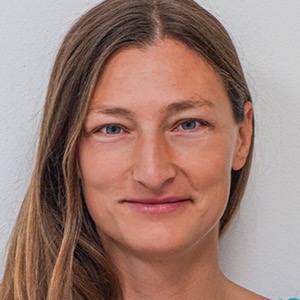
Kateřina Smíšková, MD
Doctor and co-author of the method
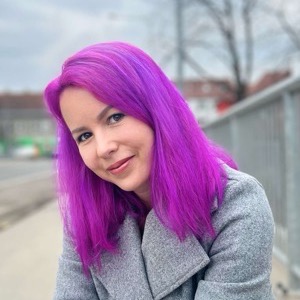
Tereza Málková
Podcast host
Where to next
From listening to exercising
What the episode talks about is what the Spiralista app guides you through day by day — from the first exercise to the full sequence for your condition.
- At homeAn elastic cord and a bit of wall space are enough.
- ShortA few minutes a day, not an hour in the gym.
- Day by dayThe guide shows what comes next today.