See a doctor first if: the pain persists, gets worse, radiates into your limbs, or started after an injury. Examination comes before exercise, not after.
Pain
-
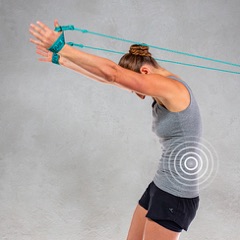
Lower back pain
The most common back pain. It shows up after long sitting, lifting, or one-sided strain.
-
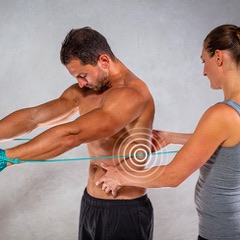
Lumbar pain
A dull ache low in the back, often together with a limited range of movement.
-
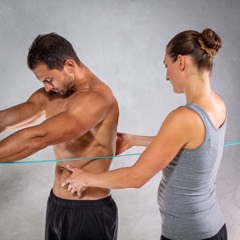
Side lumbar pain
Pain along the side of the lower back, typically on one side only.
-

Neck pain
A stiff neck and pain when turning your head. Common with desk work.
-
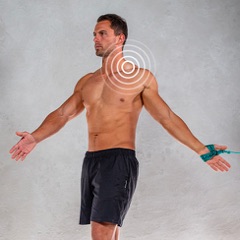
Trapezius pain
Tension between the neck and shoulders that stays all day.
-
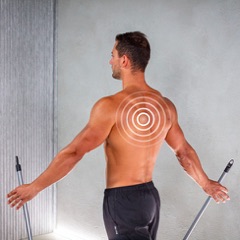
Pain between the shoulder blades
A burning pain in the middle of the back, typical after long sitting.
-
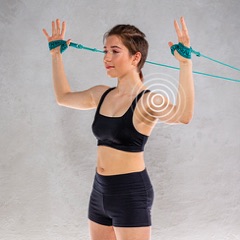
Shoulder pain
Restricted shoulder movement and pain when raising your arm.
-
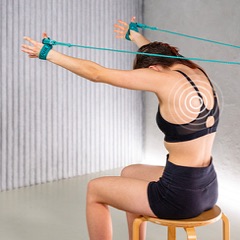
Chest and thoracic pain
Pain in the thoracic spine and between the ribs, often with shallow breathing.
-
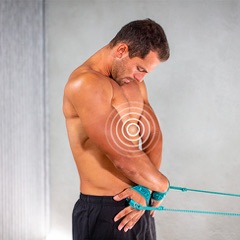
Rib pain
A stabbing pain when breathing in or twisting your torso.
-
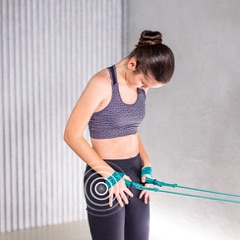
Pelvic pain
Pain around the pelvis and the sacroiliac joint, often on one side only.
-
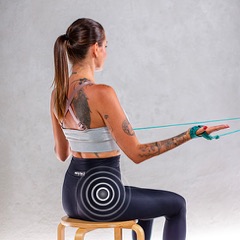
Hip pain
Pain in the groin and buttock, worse after walking or standing for a while.
-
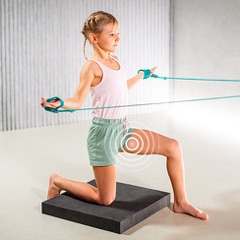
Groin pain
A pulling pain in the groin, common among athletes.
-
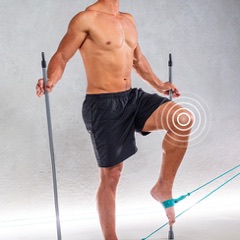
Knee pain
Pain when squatting and when walking down stairs.
-
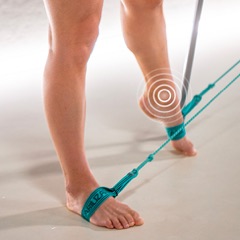
Ankle pain
An unstable ankle and pain after strain or a sprain.
-
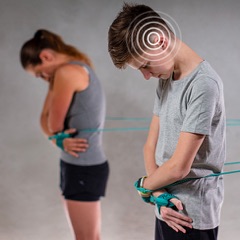
Headaches
Headaches that come from tension in the neck and cervical spine.
Posture
-
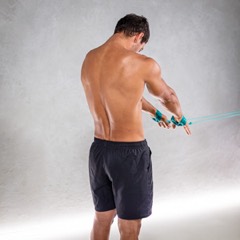
Scoliotic posture
A sideways curve of the spine with uneven shoulders or shoulder blades.
-
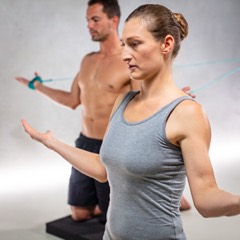
Rounded back (hyperkyphosis)
A rounded thoracic spine with shoulders rolled forward.
-
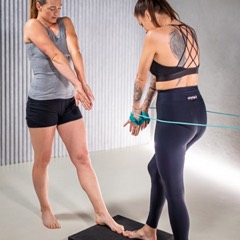
Hollow back (lumbar hyperlordosis)
An over-arched lower back and tilted pelvis. Not the same as lumbar pain above.
-
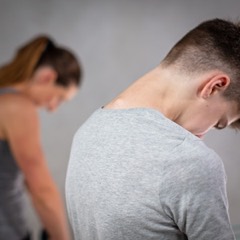
Forward head posture
The head carried in front of the body's axis. Typical with phones and computers.
-
Flat feet
A fallen arch, tired feet and pain after walking for a while.
What to do about it
The Spiralista app has an exercise sequence for every one of these conditions, and a guide who takes you through it day by day — from the first exercise to the full sequence. You do not have to put anything together yourself or guess what comes tomorrow: each day you know what to do and why.
- At homeAn elastic cord and a bit of wall space are enough.
- ShortA few minutes a day, not an hour in the gym.
- Day by dayThe guide shows what comes next today.
You exercise at home. An elastic cord, a bit of space and some regularity are all it takes. The spiral stabilisation method works the muscle chains that pull the spine upward and take the load off the discs — which is why it works with the whole body, not only the spot that hurts.
Not sure which condition is yours? Start with the one whose description fits best. The sequences share the same foundation and you can switch at any time.